



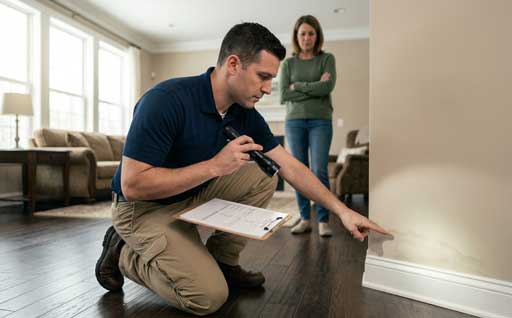
Water damage can happen unexpectedly and create serious problems for homeowners. A burst pipe, leaking appliance, overflowing toilet, or damaged water heater can leave floors, walls, ceilings, and personal belongings soaked. Beyond the immediate mess, excess moisture can lead to structural damage and mold growth if it is not addressed quickly. For homeowners, one of the first concerns is whether their insurance policy will cover the cost of repairs and professional restoration.
Understanding what your homeowners insurance covers can help you make informed decisions during an emergency. Coverage generally depends on how the water damage occurred, whether it was sudden or gradual, and what exclusions are included in your policy. Knowing these details can make the restoration and insurance claims process less stressful.
Does Homeowners Insurance Cover Water Damage?
In many cases, standard homeowners insurance covers water damage when it results from a sudden and accidental event. For example, if a water supply pipe unexpectedly bursts and floods part of your home, your policy may cover the resulting damage.
Covered incidents commonly include:
- Sudden pipe bursts or accidental plumbing leaks.
- Water damage caused by an appliance malfunction.
- Accidental overflow from a bathtub or sink.
- Sudden leaks from a water heater.
- Damage caused by water used to extinguish a covered fire.
However, insurance companies generally distinguish between unexpected damage and problems that develop over time. A slow leak that has continued for months may not qualify for coverage, particularly if the homeowner could reasonably have identified and addressed it earlier.
What Types of Water Damage Are Usually Excluded?
Not every water-related problem is covered by a standard homeowners insurance policy. Certain situations are commonly excluded because they involve maintenance issues, outside flooding, or preventable damage.
Some common exclusions include:
Flood Damage: Water entering your home from overflowing rivers, heavy rainfall, storm surges, or surface flooding generally requires separate flood insurance.
Gradual Leaks: Plumbing leaks that develop slowly over an extended period may be excluded, especially when maintenance has been neglected.
Sewer Backups: Water backing up through drains or sewer lines is often excluded unless the homeowner has purchased an additional endorsement.
Neglected Maintenance: Damage caused by failing to repair known plumbing problems, roof leaks, or deteriorating fixtures may not be covered.
Reviewing your policy carefully is important because exclusions and optional endorsements vary between insurance providers.
Does Insurance Cover Professional Water Damage Restoration?
When a covered incident occurs, homeowners insurance may pay for reasonable restoration expenses necessary to return the property to its previous condition. This can include water extraction, drying equipment, moisture monitoring, cleaning, and repairs to damaged building materials.
Professional restoration services are particularly important because water can spread behind walls, beneath flooring, and into insulation. Simply removing visible water does not guarantee that the affected areas are completely dry.
Depending on the policy and circumstances, covered restoration expenses may include:
- Emergency water removal and extraction.
- Industrial air movers and dehumidifiers.
- Drying and moisture detection services.
- Removal of damaged drywall, flooring, or insulation.
- Cleaning and sanitizing affected surfaces.
- Repairs to covered structural damage.
Homeowners should remember that insurance companies determine which services and expenses qualify for reimbursement. Some policies may also require approval before certain repairs begin, so contacting the insurer promptly is advisable.
Why Quick Action Matters After Water Damage
Water damage can become more expensive when restoration is delayed. Moisture can penetrate porous building materials, weaken drywall, damage wooden structures, and create conditions that encourage mold growth.
Taking immediate action can help limit the damage and support your insurance claim.
Start by identifying the source of the water and shutting off the supply if it is safe to do so. If the flooding involves electrical hazards, avoid entering affected areas until a qualified professional confirms they are safe.
Next, document the damage with photographs and videos. Capture affected floors, walls, furniture, appliances, and personal belongings before removing or discarding damaged items whenever possible.
Contact your insurance company and ask about the next steps. At the same time, arrange a professional assessment to determine how far the moisture has spread and what restoration work is necessary.
Steps to File a Water Damage Insurance Claim
Filing an insurance claim can seem complicated, especially when your home has suffered significant damage. Following an organized process can make communication with your insurance provider easier.
1. Document All Visible Damage
Take clear pictures and videos of every affected area. Record the date, approximate time, and suspected cause of the incident. Keep damaged items available for inspection unless they create a safety or sanitation concern.
2. Contact Your Insurance Provider
Notify your insurance company as soon as possible. Explain what happened, when the damage occurred, and which areas of your home were affected. Ask about coverage, deductibles, documentation requirements, and claim deadlines.
3. Prevent Additional Damage
Most homeowners policies require reasonable steps to prevent further damage after an incident. This may include stopping the water source, protecting unaffected belongings, and arranging emergency drying or temporary repairs.
Keep receipts for reasonable emergency expenses because they may be relevant to your claim.
4. Arrange a Professional Inspection
A restoration professional can evaluate the affected areas, identify hidden moisture, and prepare an estimate of the necessary work. Detailed inspection records can also help support discussions with your insurance adjuster.
5. Review the Insurance Adjuster’s Assessment
Your insurance company may send an adjuster to inspect the property and determine the covered loss. Review the assessment carefully and ask questions if certain restoration expenses or damaged areas have been overlooked.
What If Your Water Damage Claim Is Denied?
A denied claim does not always mean that you have no options. Insurance companies may reject claims because of policy exclusions, insufficient documentation, maintenance concerns, or disagreements about the source of the damage.
If your claim is denied, request a written explanation that identifies the specific policy language used to support the decision. Review the explanation alongside your policy documents and gather any additional photographs, inspection reports, invoices, or repair records that may clarify the situation.
You can also ask the insurer to reconsider its decision or follow the formal appeal process. If the disagreement remains unresolved, consider contacting the Maryland Insurance Administration for information about consumer assistance and complaint procedures.
How Professional Restoration Services Help With Insurance Claims
Professional restoration companies can provide valuable support throughout the recovery process. Their experience with water extraction, structural drying, and moisture detection helps homeowners understand the extent of the damage.
A qualified team can also prepare photographs, moisture readings, work descriptions, and itemized estimates that may help with insurance documentation.
When researching water damage restoration bowie md, homeowners should look for experienced professionals who understand local property concerns, provide detailed assessments, and communicate clearly about the restoration process.
However, homeowners should remember that restoration companies do not determine insurance coverage. The insurance provider makes the final decision according to the policy’s terms and conditions.
Does Home Insurance Cover Mold After Water Damage?
Mold coverage is another important consideration following a water-related emergency. Some homeowners insurance policies cover mold remediation when the mold develops as a direct result of a covered water damage event.
For instance, if a sudden pipe burst causes water damage and mold develops afterward despite reasonable efforts to address the problem, certain policies may provide limited coverage.
However, mold resulting from long-term moisture problems, neglected leaks, or poor maintenance is commonly excluded.
Some policies also place specific limits on mold-related expenses. Homeowners should review these limits and ask their insurer whether additional coverage is available.
Prompt water removal and thorough structural drying can reduce the likelihood of mold becoming a larger problem.
How to Choose the Right Water Damage Restoration Company
Choosing a dependable restoration company can make a significant difference in the recovery process. Homeowners should look beyond advertised prices and consider the company’s experience, equipment, communication, and ability to handle the full restoration process.
Before hiring a provider, consider the following factors:
- Experience: Look for professionals with experience handling residential water damage.
- Proper Equipment: The company should use appropriate extraction, drying, and moisture detection equipment.
- Detailed Estimates: Request a written explanation of recommended services and expected costs.
- Documentation: Choose a provider that can supply photographs, moisture readings, and restoration records.
- Clear Communication: Professionals should explain the work, timeline, and any potential complications.
- Insurance Coordination: Ask whether the company can provide documentation that supports the insurance claims process.
It is also important to understand your financial responsibilities before authorizing extensive restoration work.
How Can Bowie Homeowners Reduce the Risk of Future Water Damage?
Although not every water emergency can be prevented, regular maintenance can reduce the likelihood of unexpected problems.
Inspect plumbing connections beneath sinks, around toilets, and behind appliances. Replace damaged hoses and address dripping faucets before they develop into larger leaks.
Check your roof and gutters regularly to help prevent water from entering through damaged shingles or overflowing drainage systems. During colder weather, protect exposed pipes from freezing temperatures.
Installing water leak detectors near washing machines, water heaters, and other plumbing fixtures can provide an early warning when moisture is detected.
Homeowners should also understand their flood exposure and consider separate flood insurance if their property could be affected by surface flooding or nearby waterways.
Final Thoughts
Homeowners insurance can cover many types of water damage, but coverage depends on the cause of the incident and the specific terms of the policy. Sudden and accidental plumbing failures are often covered, while gradual leaks, neglected maintenance, and external flooding generally require different coverage arrangements.
Taking quick action, documenting the damage, contacting your insurance provider, and arranging a professional inspection can help protect your property and make the claims process more manageable.
By understanding your policy before an emergency occurs and choosing experienced restoration professionals when problems arise, you can be better prepared to handle water damage and restore your Bowie home safely.

