



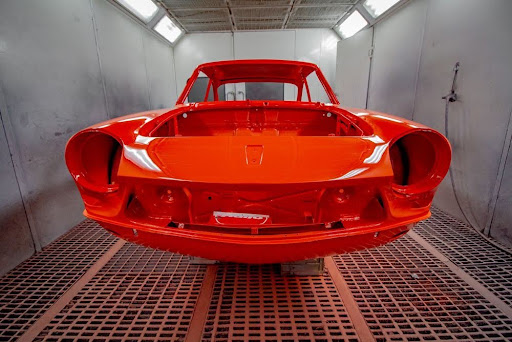
A clean and glossy paint finish makes any vehicle look newer and more valuable. However, sunlight, dirt, road salt, bird droppings, and small scratches can damage the surface over time. Regular washing may remove dirt, but it cannot always restore faded or damaged paint.
Car paint restoration removes surface defects and brings back the original shine. You do not always need a complete repaint. The right products and methods can improve the finish while protecting the paint from further damage. The following tips can help you restore your car’s appearance and maintain it for years.
1. Inspect the Paint Before Starting
Check the entire vehicle before you begin the restoration process. Look for light scratches, faded areas, swirl marks, water spots, oxidation, chips, and peeling clear coat. Different types of damage need different treatments.
Run your clean hand gently over the paint. A rough surface may contain bonded dirt, tree sap, tar, or other deposits. Check the paint under bright natural light so you can see small marks more clearly.
Deep scratches that expose metal may need professional repair. Peeling clear coat may also require sanding and repainting. However, you can often fix light scratches, oxidation, and dull paint with cleaning, polishing, and protective products.
2. Preventative Measures to Maintain Your Car’s Paint
Restoring your car’s paint is only half the battle-keeping it in pristine condition requires ongoing care and attention. Now, to protect your car’s finish long-term, you can consult local paint protection film (PPF) experts, who can professionally apply durable coatings that shield against scratches, chips, and environmental damage. Here are some preventative measures you can take to maintain your car’s paint for years to come.
Wash your vehicle regularly to prevent dirt from building up. Dirt particles can scratch the paint when they remain on the surface for too long. Try to wash your car every one or two weeks, depending on the weather and driving conditions.
Park your car in a garage or shaded area when possible. Direct sunlight can fade the paint and weaken the clear coat. A quality car cover can also protect the vehicle when covered parking is not available.
Remove bird droppings, tree sap, and insect remains quickly. These substances can contain acids that may stain or damage the paint. Use a soft microfiber cloth and a safe automotive cleaner instead of rubbing the area while it is dry.
3. Wash and Decontaminate the Surface
Start the restoration process with a complete wash. Rinse the car first to remove loose dirt. Use a car wash soap because household detergents can remove protective wax and dry out the paint.
Wash the car with a clean microfiber mitt. Work from the top downward because the lower panels usually collect more dirt. Rinse the mitt often to prevent trapped particles from scratching the surface.
After washing, use an iron remover or tar remover if the paint still feels rough. You can also use a clay bar with a suitable lubricant. The clay bar removes bonded particles that normal washing cannot lift.
Move the clay bar gently across small sections. Do not apply heavy pressure. Wipe each section with a clean microfiber towel before moving to the next area.
4. Correct Light Scratches and Swirl Marks
Polishing can remove light scratches, swirl marks, oxidation, and minor stains. Choose a polish based on the condition of the paint. A mild finishing polish works well for small defects, while a cutting compound helps with heavier oxidation.
Test the product on a small hidden section first. Apply a small amount with a foam applicator pad or polishing machine. Work on one section at a time and follow the product instructions.
Keep the polishing pad clean during the process. A dirty pad may create new marks. Avoid polishing hot paint or working under direct sunlight because the product may dry too quickly.
Do not polish the paint too often. Polish removes a thin layer of clear coat each time. Use it only when the surface needs correction.
5. Repair Paint Chips Quickly
Small stone chips may look harmless, but they can expose the metal underneath. Moisture can enter these areas and cause rust. Repair chips as soon as you notice them.
Clean the damaged spot and allow it to dry. Buy touch-up paint that matches the vehicle’s paint code. You can usually find the code on a label inside the door frame, engine bay, or owner’s manual.
Apply a small amount of paint with a fine brush. Avoid adding a thick layer. Several thin coats usually produce a smoother result. Let each coat dry before applying the next one.
6. Protect the Restored Finish
Apply wax, paint sealant, or ceramic coating after completing the restoration. Wax provides shine and short-term protection. Paint sealants usually last longer and offer stronger resistance against water and dirt.
Ceramic coatings can protect the paint for a longer period when applied correctly. They create a water-resistant layer that makes regular cleaning easier. However, the paint must be clean and properly prepared before application.
Use a soft microfiber towel to remove product residue. Replace dirty towels immediately because trapped dirt can scratch the newly polished surface.
7. Use Safe Washing Techniques
Good washing habits help protect the restored finish. Use separate buckets for clean soapy water and dirty rinse water. This method reduces the chance of putting dirt back onto the paint.
Dry the vehicle after washing because air drying can leave water spots. Use a clean microfiber drying towel or a car dryer. Do not use rough cloths, old towels, or paper products.
Clean wheels and tires with separate brushes and towels. Brake dust contains rough particles that can damage the body paint if they move onto your wash mitt.
Conclusion
Car paint restoration can improve your vehicle’s appearance without the cost of a full repaint. Begin with a careful inspection, remove dirt and bonded deposits, polish surface defects, and repair small chips before they become larger problems.
Protect the restored paint with wax, sealant, ceramic coating, or paint protection film. Regular washing, shaded parking, and quick removal of harmful substances will help your car maintain a clean, glossy, and fresh appearance.
Read more interesting articles at Globalreports.

