



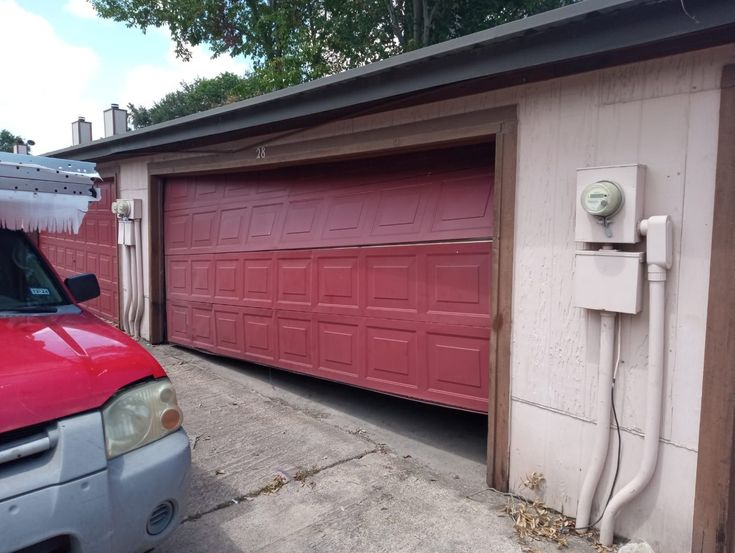
A damaged or aging garage door can create several problems, from annoying noises and slow operation to security risks and energy loss. When issues appear, many homeowners face an important decision: Should you repair the existing garage door or invest in a completely new installation?
The answer depends on several factors, including the age of the door, the type of damage, repair costs, energy efficiency, and long-term value. While repairs are often the cheaper short-term solution, a new garage door installation may provide better savings and performance over time.
This guide compares garage door installation Phoenix AZ and replacement costs to help you determine the most cost-effective choice for your home.
Understanding Garage Door Repair Costs
Garage door repairs are usually the first option homeowners consider because they are less expensive than replacement. Many common garage door problems can be fixed quickly without replacing the entire system.
Average Garage Door Repair Costs
The cost of repairs depends on the damaged component and the complexity of the work.
Typical repair costs include:
- Spring replacement: $150–$400
- Cable replacement: $100–$300
- Roller replacement: $100–$250
- Track repairs: $125–$400
- Panel replacement: $250–$800
- Garage door opener repairs: $100–$350
Minor repairs are often affordable and can extend the life of your existing garage door.
Common Garage Door Problems That Can Be Repaired
Broken Garage Door Springs
Springs handle much of the door’s weight and are among the most common components to fail.
Signs of spring problems include:
- Door feels unusually heavy
- Door will not open
- Loud snapping sounds
- Uneven movement
Replacing springs is usually much cheaper than installing a new door.
Damaged Rollers
Worn rollers can cause:
- Squeaking
- Grinding noises
- Jerky movement
Replacing rollers can restore smooth operation without major expenses.
Broken Cables
Garage door cables help lift and balance the door.
Damaged cables should be repaired quickly because they can affect safe operation.
Faulty Garage Door Opener
Sometimes the door itself is fine, but the opener has problems.
Possible fixes include:
- Replacing sensors
- Repairing wiring
- Reprogramming remotes
- Replacing worn gears
Advantages of Repairing a Garage Door
Choosing repairs offers several benefits.
Lower Immediate Cost
Repairs usually cost significantly less than full replacement.
Faster Solution
Many repairs can be completed within a few hours.
Extends Door Lifespan
Replacing worn components can add several years of service.
Less Waste
Repairing instead of replacing reduces discarded materials.
Limitations of Garage Door Repairs
Although repairs can solve many issues, they are not always the best long-term choice.
Frequent Breakdowns
If you are constantly repairing different parts, costs can quickly add up.
Aging Components
Older garage doors often have multiple worn parts that may fail one after another.
Outdated Features
Older doors may lack:
- Modern safety systems
- Energy-efficient insulation
- Smart technology compatibility
Understanding New Garage Door Installation Costs
Installing a new garage door is a larger investment but can provide significant long-term benefits.
Average Cost of New Garage Door Installation
A complete garage door replacement typically costs:
- Basic models: $700–$1,500
- Mid-range models: $1,500–$3,000
- Premium models: $3,000–$5,000+
Prices depend on:
- Door material
- Size
- Design
- Insulation
- Installation complexity
Benefits of Installing a New Garage Door
Improved Energy Efficiency
Modern garage doors often include better insulation, helping regulate garage temperatures.
This can be especially beneficial for:
- Attached garages
- Workshops
- Garages used as living spaces
Better Security
New doors often include:
- Stronger materials
- Advanced locking systems
- Updated safety features
Enhanced Curb Appeal
A garage door can significantly affect your home’s exterior appearance.
Modern designs can improve:
- Home style
- Property value
- Overall appearance
Lower Maintenance Costs
A new garage door usually requires fewer repairs during its early years.
Signs You Should Repair Your Garage Door
Repair may be the better choice if:
The Door Is Relatively New
Garage doors typically last many years with proper maintenance. If your door is less than 10 years old and has a minor issue, repair is usually practical.
The Damage Is Limited
Examples include:
- Broken spring
- Damaged roller
- Faulty sensor
- Minor track issue
Repair Costs Are Low
If repairs cost significantly less than replacement, fixing the existing door makes financial sense.
The Door Still Looks Good
If the panels, insulation, and structure are in good condition, repairs can restore performance.
Signs You Should Replace Your Garage Door
A new installation may be more cost-effective when:
The Door Is More Than 15–20 Years Old
Older garage doors often experience repeated failures due to aging components.
Repair Costs Are Too High
A useful guideline is:
If repair costs approach half the price of a new garage door, replacement may be the smarter investment.
Multiple Components Are Failing
Replacing several parts at once can become expensive.
Common signs include:
- Broken springs
- Damaged panels
- Worn tracks
- Failing opener
- Rusted hardware
The Door Has Safety Problems
Replace a door if it has:
- Severe structural damage
- Poor balance
- Failed safety features
- Weak locking mechanisms
You Want Better Efficiency
A new insulated garage door can improve comfort and reduce energy loss.
Cost Comparison: Repair vs. Replacement
Repair Option
Initial Cost
Lower upfront expense.
Best For
- Minor damage
- Newer doors
- Isolated problems
Long-Term Value
Good if the door has many years of useful life remaining.
New Installation
Initial Cost
Higher investment.
Best For
- Old doors
- Frequent repairs
- Major damage
Long-Term Value
Provides improved performance, appearance, and reliability.
Factors to Consider Before Making a Decision
Age of the Garage Door
Age is one of the biggest factors.
A newer door with one damaged component usually deserves repair, while an older door may not justify additional investment.
Overall Condition
Inspect:
- Panels
- Tracks
- Springs
- Cables
- Opener system
- Hardware
A door with widespread wear may require replacement.
Future Repair Costs
Consider whether today’s repair will prevent future problems or only delay them.
Home Value and Appearance
If you plan to sell your home, a new garage door can improve curb appeal and buyer appeal.
Ways to Save Money on Garage Door Costs
Schedule Regular Maintenance
Preventive maintenance can reduce expensive repairs.
Regular tasks include:
- Lubricating moving parts
- Checking hardware
- Testing safety features
Get Multiple Estimates
Compare quotes from different professionals before making a decision.
Avoid Unnecessary Upgrades
Choose features based on your needs and budget.
Replace During Planned Renovations
Combining projects can sometimes reduce labor expenses.
Final Verdict: Repair or Replace?
The most cost-effective choice depends on your garage door’s condition. Repairs are usually the better option when the problem is minor, the door is relatively new, and the overall system remains reliable.
However, replacement is often the smarter financial decision when the door is old, requires frequent repairs, has serious damage, or lacks modern features.
A garage door is a major part of your home’s security and appearance. Evaluating repair costs, future maintenance needs, and long-term benefits will help you choose the option that provides the best value for your investment.

