



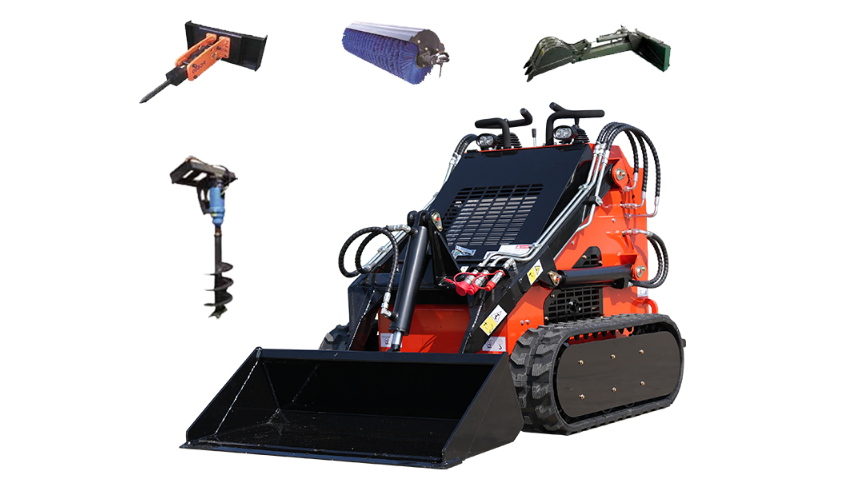
Skid steer loaders are among the most versatile and hardworking machines on any job site. Whether you’re in construction, landscaping, agriculture, or snow removal, these compact powerhouses deliver unmatched performance in tight spaces. However, like any heavy equipment, their efficiency depends heavily on the quality and condition of their parts.
Understanding skidsteer parts and how to maintain, replace, and upgrade them can significantly extend your machine’s lifespan, reduce downtime, and improve overall productivity. In this guide, we’ll break down everything you need to know about skid steer parts and how to choose the right ones for your needs.
What Are Skid Steer Parts?
Skid steer parts are the individual components that make up your skid steer loader. These include everything from engine components and hydraulic systems to tires, tracks, and attachments. Each part plays a critical role in ensuring smooth operation and optimal performance.
Skid steer parts can be broadly categorized into:
- Engine components
- Hydraulic system parts
- Undercarriage parts
- Electrical components
- Attachments and accessories
Essential Skid Steer Parts You Should Know
1. Engine Components
The engine is the heart of your skid steer. Key parts include:
- Air filters
- Oil filters
- Fuel injectors
- Starter motors
- Alternators
Regular maintenance of engine components ensures efficient fuel consumption and prevents costly breakdowns.
- Hydraulic System Parts
The hydraulic system powers most skid steer functions, including lifting, tilting, and operating attachments. Important parts include:
- Hydraulic pumps
- Cylinders
- Hoses and fittings
- Control valves
Leaks or worn-out hydraulic components can lead to reduced performance or complete system failure, so timely replacement is crucial.
- Undercarriage Parts
For machines with tracks or wheels, the undercarriage takes the most abuse. Common parts include:
- Tires or rubber tracks
- Rollers
- Idlers
- Sprockets
Investing in high-quality undercarriage parts can significantly improve traction, stability, and durability.
- Electrical Components
Modern skid steers rely on electrical systems for smooth operation. These include:
- Wiring harnesses
- Sensors
- Batteries
- Control panels
Faulty electrical components can lead to unexpected shutdowns or safety issues, so regular inspection is essential.
- Attachments and Accessories
One of the biggest advantages of skid steers is their ability to use multiple attachments. Popular options include:
- Buckets
- Augers
- Pallet forks
- Snow blowers
- Grapples
Choosing the right attachment can transform your skid steer into a multi-functional machine.
Signs Your Skid Steer Parts Need Replacement
Recognizing early warning signs can save you time and money. Look out for:
- Reduced machine performance
- Unusual noises or vibrations
- Fluid leaks
- Difficulty in operation
- Increased fuel consumption
Ignoring these signs can lead to more severe damage and costly repairs.
OEM vs Aftermarket Skid Steer Parts
When replacing parts, you’ll typically choose between OEM (Original Equipment Manufacturer) and aftermarket parts.
OEM Parts
- Designed specifically for your machine
- Guaranteed compatibility
- Often more expensive
Aftermarket Parts
- More affordable
- Widely available
- Quality varies depending on the supplier
Both options have their pros and cons. The key is to choose reputable suppliers who offer high-quality, reliable parts.
Tips for Choosing the Right Skid Steer Parts
To ensure optimal performance and longevity, keep these tips in mind:
- Know your machine model: Always check compatibility before purchasing.
- Prioritize quality: Cheaper parts may lead to higher long-term costs.
- Buy from trusted suppliers: Look for warranties and customer reviews.
- Consider usage conditions: Heavy-duty jobs require more durable components.
- Maintain regularly: Preventive maintenance reduces the need for frequent replacements.
Benefits of Using High-Quality Skid Steer Parts
Investing in premium skid steer parts offers several advantages:
- Improved machine efficiency
- Reduced downtime
- Enhanced safety
- Longer equipment lifespan
- Better return on investment
Cutting corners with low-quality parts may save money initially but often leads to higher repair costs in the long run.
Maintenance Tips to Extend Part Life
Proper maintenance is key to getting the most out of your skid steer parts:
- Perform routine inspections
- Keep filters clean and replace them regularly
- Check hydraulic fluid levels
- Lubricate moving parts
- Store your machine in a safe, dry environment
A proactive maintenance approach can prevent unexpected failures and keep your machine running smoothly.
Final Thoughts
Skid steer loaders are invaluable assets across multiple industries, but their performance depends entirely on the quality and condition of their parts. By understanding the different components, recognizing signs of wear, and investing in high-quality replacements, you can keep your machine operating at peak efficiency.
Whether you’re upgrading attachments, replacing worn-out components, or performing routine maintenance, choosing the right skid steer parts is essential for maximizing productivity and minimizing downtime.
If you rely on your skid steer for daily operations, don’t wait for a breakdown stay ahead with the right parts and proper care.

